By: Responsible Pet Breeders Australia Posted 27 May, 2025
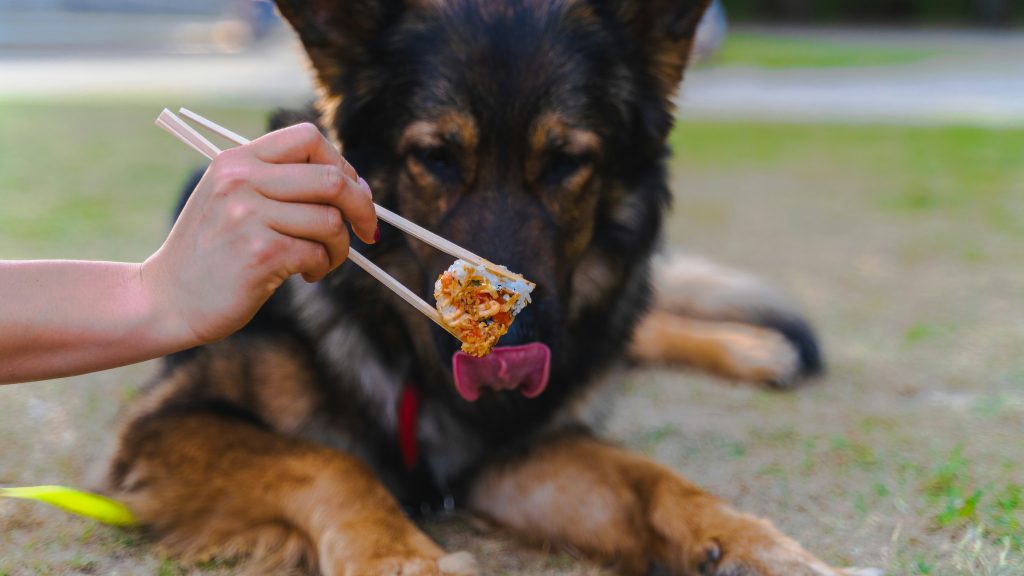
Every dog owner is familiar with the “sad” look their pet gives, accompanied by drooling. How can you resist and not treat your four-legged friend to something tasty? And it’s not just about a piece of meat or cheese. Often, the treat is a candy, a piece of cake, a bun, or a cookie. But is it okay to give dogs sweets or pastries? If not, why? And if yes, what exactly? Opinions on this vary.
Arguments Against
Veterinary experts assert that dogs are naturally carnivores, meat-eating animals. Their primary diet consists of proteins and fats. Carbohydrates enter their system in relatively small amounts from grains, vegetables, and occasionally fruits. Even though carbohydrates are considered a main energy source, dogs primarily draw their energy from fats, which allow them to stay active for extended periods.
Additionally, veterinarians point out that dogs’ digestive systems differ significantly from humans’. Fructose, glucose, and sucrose are digested slowly and with difficulty. The lack of specific enzymes to break down carbohydrates can disrupt metabolic processes. Common consequences include:
Stool disturbances and vomiting due to high sugar intake.
Obesity, which develops from the slow processing of carbohydrates and their storage in fat tissue.
Fermentation in the gastrointestinal tract, leading to colic, bloating, fever, and secondary infections.
Impaired pancreas and liver function, gradually leading to diseases of these organs, diabetes, and other conditions.
Allergic reactions, manifesting as itching, hair loss, and more severe symptoms.
Tooth decay.
Moreover, dogs can quickly develop a dependency on sweets. They may stop eating regular food, become beggars, and constantly expect a “dessert.”
Which Sweets Are Dangerous for Dogs?
Sweets include any products containing sugar, and most of them are toxic to dogs. Some of the most dangerous treats for your furry friend are:
Chocolate: It contains theobromine, which is highly toxic to dogs and can cause severe poisoning, leading to coma or even death, depending on the amount consumed.
Pastries: They can trigger fermentation in the digestive tract, causing abdominal pain and bloating, and they tend to expand significantly in size.
Ice Cream: A source of high sugar content.
Raisins and Grapes: Can lead to kidney failure.
Persimmons and Plums: Can cause intestinal blockages.
Citrus Fruits: Can trigger allergic reactions and inflammation of the gastrointestinal tract.
The danger in sweets for dogs comes not only from the carbohydrates but also from various flavorings, preservatives, and sugar substitutes like xylitol, which are harmful to them.
Arguments For Giving Dogs Sweets
Contrary to the strong opposition against giving sweets to pets, some experts believe that it’s actually okay for dogs to have some sweets. Their viewpoint is based on recent genetic research on modern dogs. Scientists have found that dogs have a significant number of genes responsible for producing a specific enzyme that helps digest carbohydrates. Over thousands of years of living alongside humans, dogs’ bodies have adapted and developed certain mutations.
These findings suggest that dogs can eat sweets. However, experts emphasise that not all sweets are created equal. It’s one thing to give your dog a pastry once a week, and quite another to feed them candy or cookies every day. In moderation, sweets won’t harm your pet. As Dr. Linder, a leading veterinary nutritionist, points out, dogs have taste receptors for sweetness, unlike cats, who lack this ability.
However, it’s important to consider your pet’s specific health conditions before offering treats. Some dogs may be prone to allergies, have diabetes, issues with their pancreas, or obesity. And, of course, you should never give them known toxic foods like chocolate or anything containing xylitol.
Some experts even argue that sweets can be beneficial in certain situations. For example, in cases where a dog has conditions that require limiting protein or fat, an extra portion of carbohydrates can help restore energy balance or stimulate appetite.
Which Sweets Are Safe for Dogs?
If your dog has a sweet tooth, there are safe and healthy sweet treats you can offer. First on the list is dog-specific chocolate, which is specially made for pets. This type of chocolate contains no sugar or cocoa; it’s sweetened with stevia extract, which can even have a positive effect on the liver.
Many dogs also enjoy fruits, which are great sources of not only carbohydrates but also minerals and vitamins. Safe options include pears and apples (without the core), bananas, melons, watermelons, and root vegetables like pumpkin and carrots. If your dog isn’t allergic, you can also offer a small amount of honey.
Pet stores often carry dog-friendly treats like sugar bones and cookies. Just remember, sweets should make up no more than 10% of your dog’s daily diet.
Symptoms of Sweet Poisoning
Dedicated sweet lovers can be hard to stop—turn your back for a second, and the chocolate is gone. If you’re lucky, there will be no consequences. But if your pet eats a lot of something toxic, watch out for these signs of poisoning:
Vomiting
Rapid breathing
Restlessness followed by lethargy
Fast heartbeat
Digestive issues
Trembling limbs
Seizures
Loss of consciousness
If you notice these symptoms, you should act fast. Make your dog drink warm water using a syringe or a bulb syringe to induce vomiting. You can also give a sorbent like activated charcoal or Enterosgel. After that, take your pet to the vet immediately.
What to Do If Your Dog Begs for Sweets
If your dog can’t take its eyes off that sweet treat, nudging you with its paw or nose, and drooling all over, it’s best to send them to their spot. It’s tough to ignore those puppy eyes, and most of the time, the dog wins. To avoid this, you can have some dog-friendly treats ready in advance. If you find it impossible to resist the pressure from your “hungry” dog, try to enjoy sweets when they’re not around.
Experts also suggest looking into the reasons behind your dog’s begging. If it’s not just a habit (one that wasn’t corrected in time) or due to being spoiled, the root cause might be an unbalanced diet. Craving sweets can sometimes be a sign of a deficiency in certain vitamins and minerals or a diet that’s too heavy in meat. Adjusting their diet can help, and over time, the desire for forbidden sweets will fade away.
Join Our Community
We are Australia’s largest community for all breeds. 29% of Australians have been judged by their pet’s colour, look, heritage, or breed. RPBA is an all inclusive community and we do not discriminate.